
Will The Weeds Save Us?
January 21, 2026 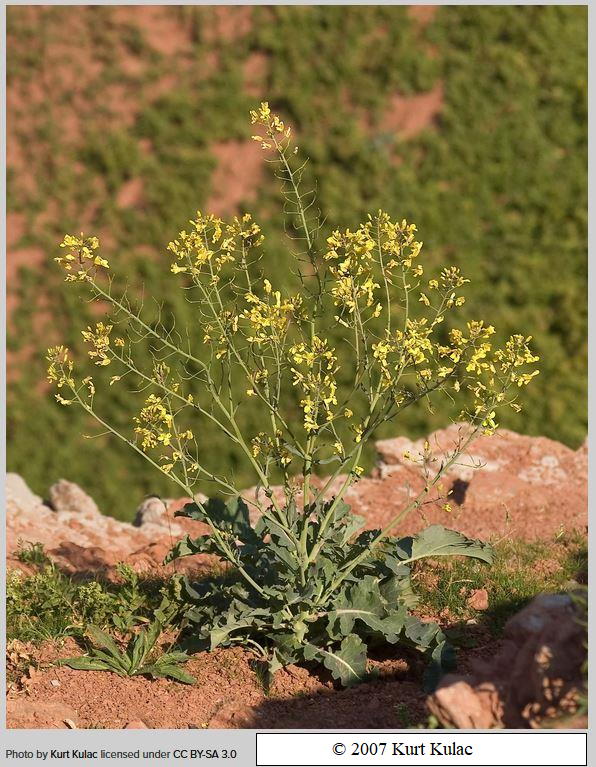
Can you name the plant genus that includes a huge percentage of our cool weather food crops, and includes the third most important oilseed crop in the world? Also in this genus is an invasive weed that starves out all competition, common throughout our Southwest, California, Utah, and Mexico.
The genus is Brassica. The big world-wide crop is rapeseed (canola), the cool weather domesticated crops are a medley: turnips, bok choy, broccoli rabe, cabbage, mizuna, tatsoi, rapini, etc. The invasive ‘weed’ from the genus Brassica is Brassica tournefortii, commonly known as Sahara mustard or African mustard.
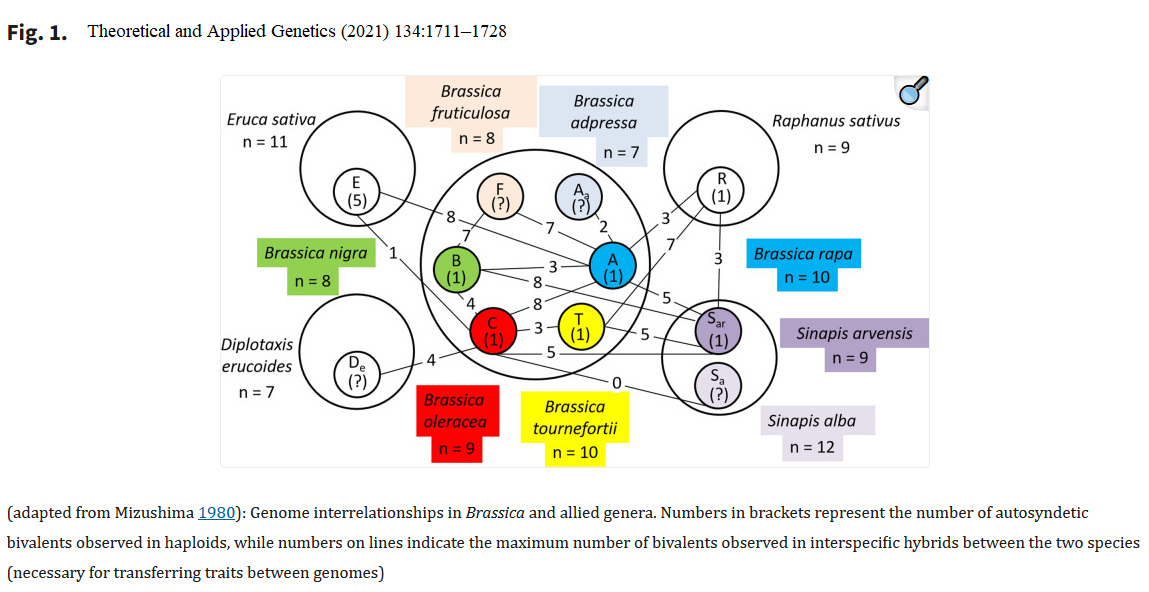
For thousands of years, breeders the world over have domesticated Brassica rapa, B. oleracea and B. napus, as well as other Brassica species (There are 37). The result is the widest assortment of products used by humans from a single plant genus (G. R. Dixon,Vegetable Brassicas and Related Crucifers, 2007, 2024).
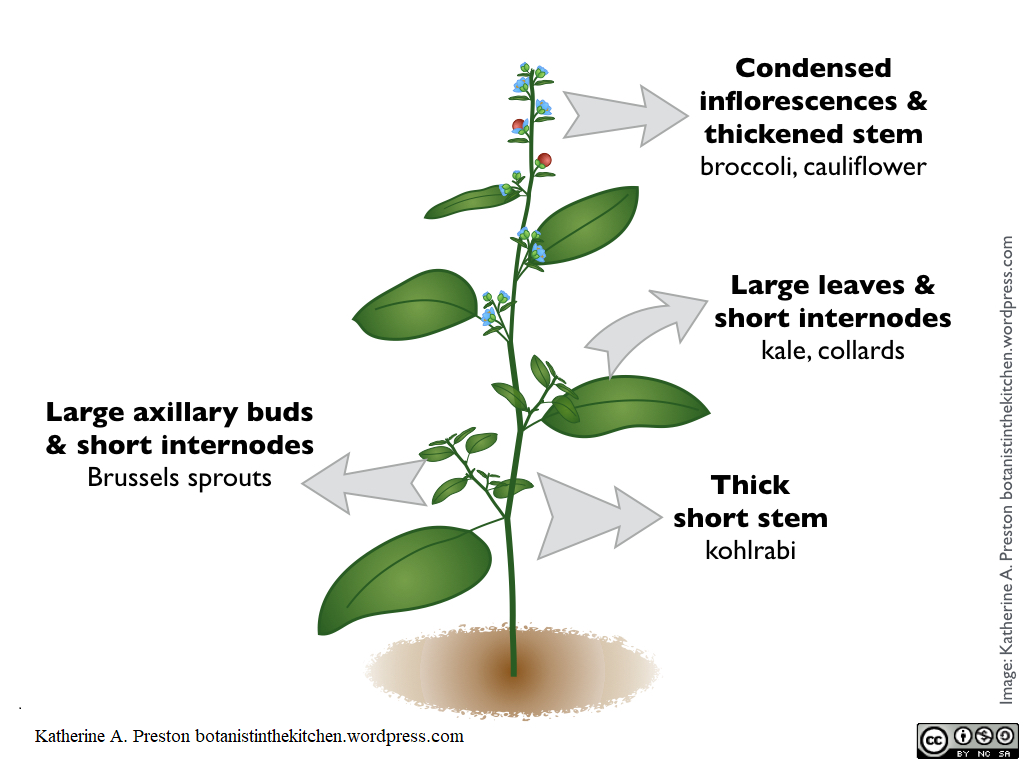 Through the ages, someone liked the bulb of a Brassica plant and selectively breed it to be a bigger bulb (turnip). Someone else preferred the leaves (kale), the stem (wasabi), spiciness (mustard) or cooking oil (rapeseed-(canola)). Our tummies were satisfied and production was good but as we bred and bred for certain traits these crop plants lost biological diversity. Crop domestication was built on a platform of homogeneity, which makes it harder for the crops to adapt to the stresses that we are experiencing.
On the other hand, there are wild and weedy ancestors of these crops that are still growing in their natural ecosystem. They have more generic diversity and are good candidates for breeding gains. They are more drought-tolerant and resistant to salinity, have strong dispersal abilities, shorter germination times, and are very capable of hybridization.
for work parties
Please email to volunteer
freewayestatescommunityorchard@gmail
Imagine scientists, stooped with their hand lens, looking near and far for samples of the weedy and wild relatives of these important food crops. Ethnobotanists, like Alex McAlvay (note 1), are tasked with tracing the world-wide domestication history of a species such as Brassica rapa, in order to find wild samples of this ‘elite’ crop. Quite a challenging task considering that different researchers have claimed Europe, West Asia, Central Asia, and East Asia as locations for its origin! Understanding the evolution of crops and the history of their domestication helps plant breeders choose the best genetic material in order to deal with current and future plant stressors.
Climate change is a stressor for plants and asks them to change their physiology to adapt to the changing 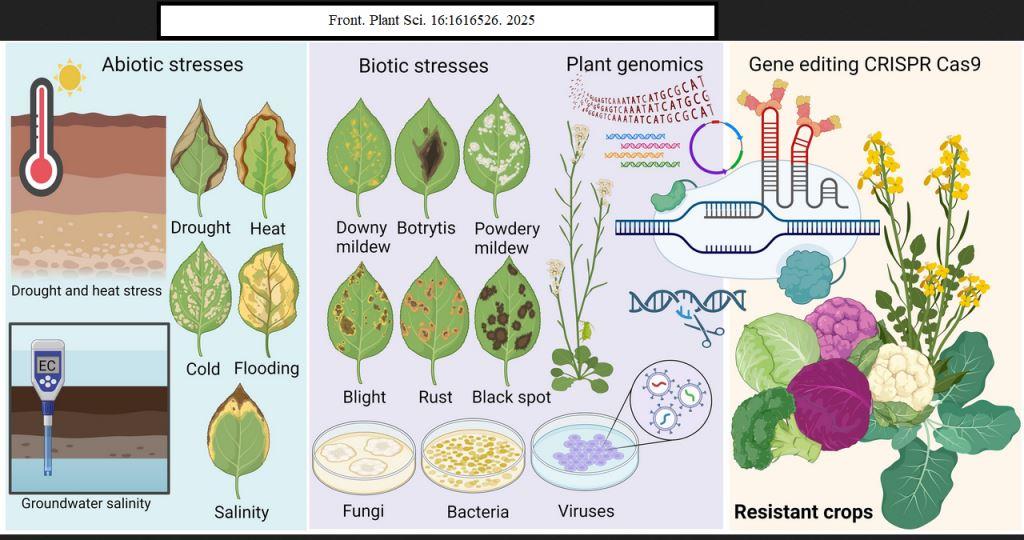 environment. How do we reel in that superior genetic material of the faster-evolving Brassica wilds and weeds!
With conventional human-driven breeding, the farmer notices that some plants are doing better under drought conditions and saves the seeds of those plants. However, the pace of this artificial selection may not match the pace of climate change.
Hybridization is another technique employed to merge desired traits into our elite Brassica crop. You are all familiar with hybridization for ornamental purposes, e.g. our native Mahonia aquifolium has been crossed with Asian species of Mahonia japonica and Mahonia lomariifolia to offer winter flowers!
 Advanced biotechnology can also be utilized to incorporate relevant traits into crops more quickly than traditional human-driven breeding. But! I am in no position to summarize how this works. I do understand that gene editing using the CRISPR/Cas9 system is a cutting-edge genome-editing technology that can be used to alter a plants existing DNA without the integration of foreign DNA. Nevertheless, gene editing is genome engineering and the regulations continue to evolve for this controversial subject.
Suffice it to say that it’s a mighty goal to increase crop productivity, nutrition, and also increase stress resistance in the face of declining environmental quality and climate change. Perhaps your next career could be ethnobotany, genomics and/or bioinformatics. Alternatively, you can selectively breed for the tough characteristics of the plants ancestors. Look for kale plants with smaller thicker leaves and collards with very long stout stems!
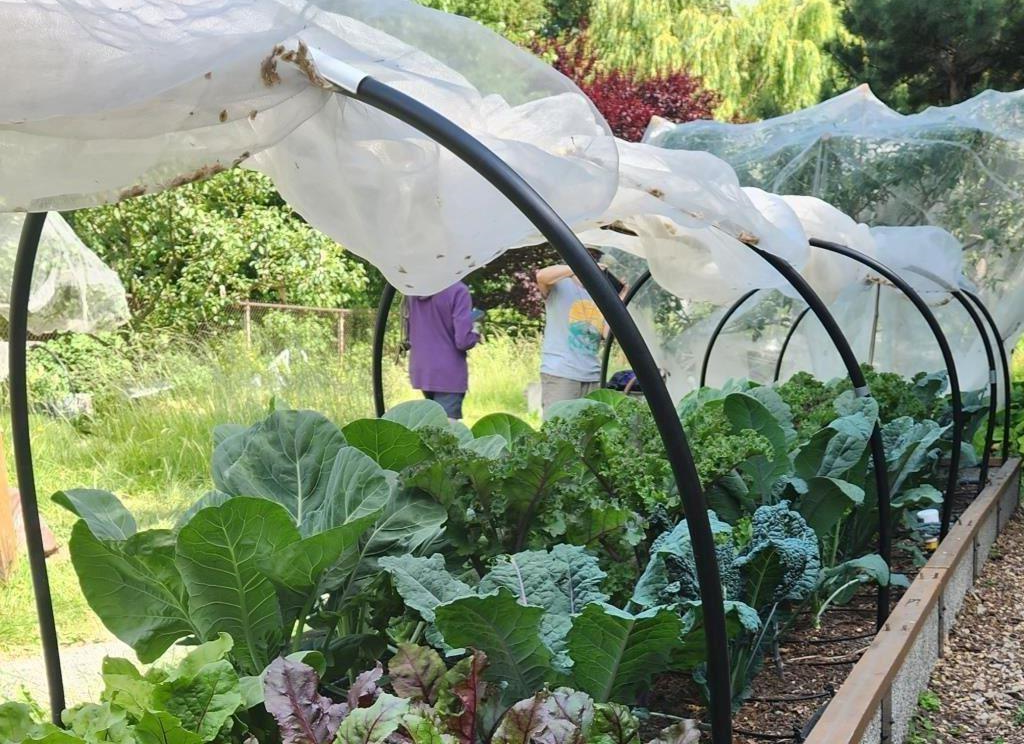
Share your knowledge. What is your strategy for climate change where you garden?
Ruth
——————
Notes:
note 1 – I latched onto this topic because the son of one of our volunteers, Alex McAlvay, is a very clever ethnobotanist who did his dissertation on Domestication, invasion, and ethnobotany of Brassica rapa. Since we are brassica crazy in the Maritime NW, I thought this might be an interesting topic for you gardeners.
References:
Crops and weeds running to stand still in the red queen’s climate change race
Clements DR, Braithwaite J, Mckenna L., Adv Weed Sci. 2025;43:e020250070
‘https://awsjournal.org/wp-content/uploads/articles_xml/2675-9462-aws-43-e020250070/2675-9462-aws-43-e020250070.pdf
Using wild relatives and related species to build climate resilience in Brassica crops
Daniela Quezada-Martinez Charles P Addo Nyarko et. al.,
Theoretical and Applied Genetics, 2021 Mar 17;134(6):1711–1728
https://pmc.ncbi.nlm.nih.gov/articles/PMC8205867/
The Evolutionary History of Wild, Domesticated, and Feral Brassica oleracea (Brassicaceae)
Mabry ME, Turner-Hissong SD, Gallagher EY, McAlvay AC, et. al.,
Molecular Biology and Evolution, 2021 Sep 27;38(10):4419-4434
https://pmc.ncbi.nlm.nih.gov/articles/PMC8476135/
Applications of CRISPR/Cas tools in improving stress tolerance in Brassica crops
Ton LB, Qayyum Z, et. al.,
Front. Plant Sci. 16:1616526. 2025
https://public-pages-files-2025.frontiersin.org/journals/plant-science/articles/10.3389/fpls.2025.1616526/pdf
GMOs or non-GMOs? The CRISPR Conundrum
Aftab Ahmad, Amer Jamil, Nayla Munawar,
Frontiers in Plant Science, 2023 Oct 9;14:1232938
https://pmc.ncbi.nlm.nih.gov/articles/PMC10591184/
Mahonia Mania! a brilliant dose of sunshine during the grayest months
Kate Bryant, January 17, 2012, Monthly Portland magazine
https://www.pdxmonthly.com/home-and-real-estate/2012/01/winter-blooming-mahonia-january-2012
Vegetable Brassicas and Related Crucifers
G. R. Dixon. Wallingford, UK: CABI (2007), pp. 327, £37.50 (paperback). ISBN 0-85199-395-8
October 2007, 2nd Edition – Geoffrey R. Dixon and Rachel Wells 2024
‘https://www.cabidigitallibrary.org/cms/asset/5ecc158d-5edb-4d43-b958-4af8180a5101/9781789249170.0000.pdf

Thanks for the interesting article about Brassicas and Oregon Grape. About Mahonia: Mine came from a native mound in an abandoned pasture near Yelm. It is super resilient, leggy, and spreads aggressively. It survives everything. It sneaks under paving to pop up in nearby gardens. I recommend it as a care-free native pollinator, but get out the nippers!
Thanks, Ruth!
In a bit of a contrast, see Cliff Mass’s blog of January 19. Nothing to see here!