
Dryland Farming – Hardly a Dry Topic!
August 27, 2026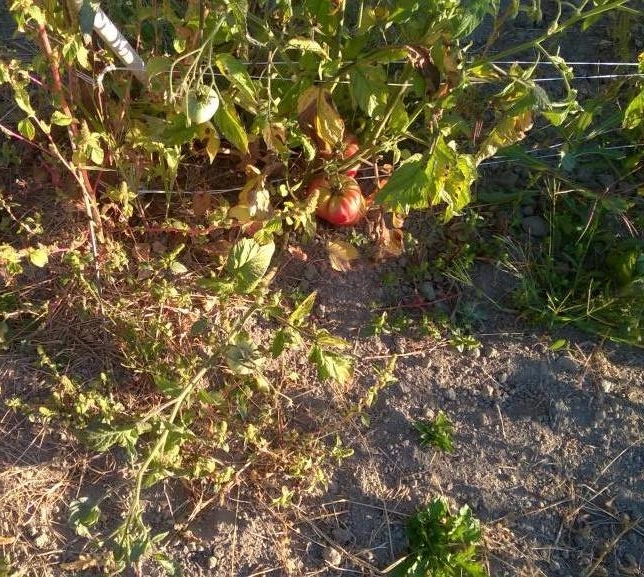
Don’t do it. Don’t look at your tomato plants between 3 and 6 pm. Avoid eye contact! If you can’t resist taking a peek, you will see sad wilting leaves and you will want to run for the watering can (but alas, you don’t need to be alarmed; the plant knows to close its stomata when it’s too hot).
Even so, when you do have to water, what if there were no watering can? What if you had to rely on the 4.5 inches of average rain Seattle receives during the growing season. That’s not much considering we are coached to water plants one inch per week.
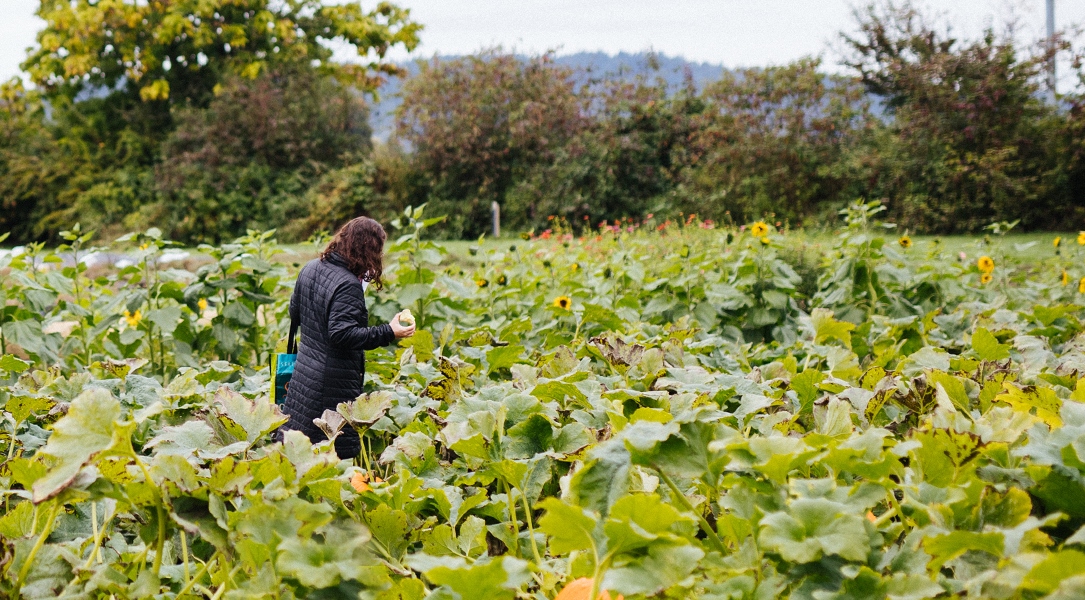 To make matters worse, temperatures for the current growing season have been higher than historical averages. The water year, to date as of the July, was the fourth warmest water year in more than 100 years. And the forecasters are predicting warmer temperatures and less precipitation than average this fall! Could it be time to experiment with Dryland Farming, a technique for growing crops in an area with very little summer rain?
Cider Fest Sat. Oct. 17, 2-4
for work parties
Please email to volunteer
freewayestatescommunityorchard@gmail
Last week I attended a Dryland Farming tour at Oxbow Farm and Conservation Center (LINK). The tour was led by Josh Sturdevant, agricultural manager. We started by strolling down some experimental rows where irrigated crops were on one side of the path and non-irrigated on the other. The only difference I saw was that many of the non-irrigated crops were about two-thirds the size of the irrigated. Note – along the way we sampled some might juicy Albion strawberries in a non-irrigated row!
Oxbow has about an acre of dryland tomatoes and about two acres of dryland winter squash. They grow 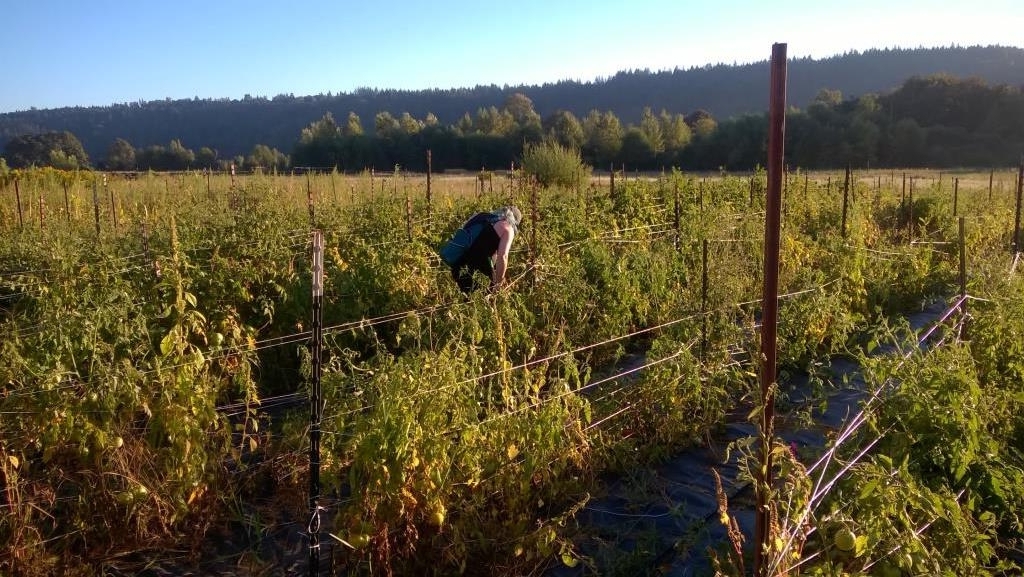 12-15 varieties of slicer tomatoes. Attendees picked a few tomatoes and we tasted a green bi-color Woodstock variety and a GinFiz variety, orange with red coloring. Both were very flavorful and sweet. Variety is key! The tomato plants were spaced about 18-24 inches apart and spaces between rows were a bit over 36 inches. Plastic mulch is used between some rows.
The plants are grown from seed in their greenhouse and then planted out in the spring, fortified with feather meal and fish bone meal. Then the plants are on their own, but for human intervention to set up the Florida Weave trellising. The plants are not pruned so there is a more vegetation to help keep the soil cool.
You might be thinking, “OK. Less water used, which shows good land stewardship, saves costs, and I don’t have to take the time to water. In exchange I get some cut in production.”
But, the story gets sweeter. Dryland tomatoes and squash, being water stressed, have a more concentrated flavor which makes for rich and flavorful treats! Dryland produce also stores better because it has less moisture.
Do you dare to try it? Josh recommended Tim Peters as very knowledgeable about dryland farming. Tim has Oregon roots and he bred cultivars capable of handling erratic weather, cool climates, with low water availability. Another resource is the Dry Farm Institute (LINK), based at Oregon State University.
Get ready for more climate change. And check those happy plant leaves at 8:00 am!
Ruth
Interesting! Thanks, Ruth
Oct. 17 will try to be there!
This is an excellent article, worth reading in its entirety.